
South Africa's communal farmers own 40% of the country's cattle – and just 8% of its value
A social entrepreneur is changing that and has already channelled more than R134 million into rural communities
South Africa's communal farmers own close to 40% of the country's cattle, yet they account for only around 8% of the formal red meat market. For thousands of rural livestock owners, this means generations of farming knowledge, healthy animals and hard work often translate into little economic return.
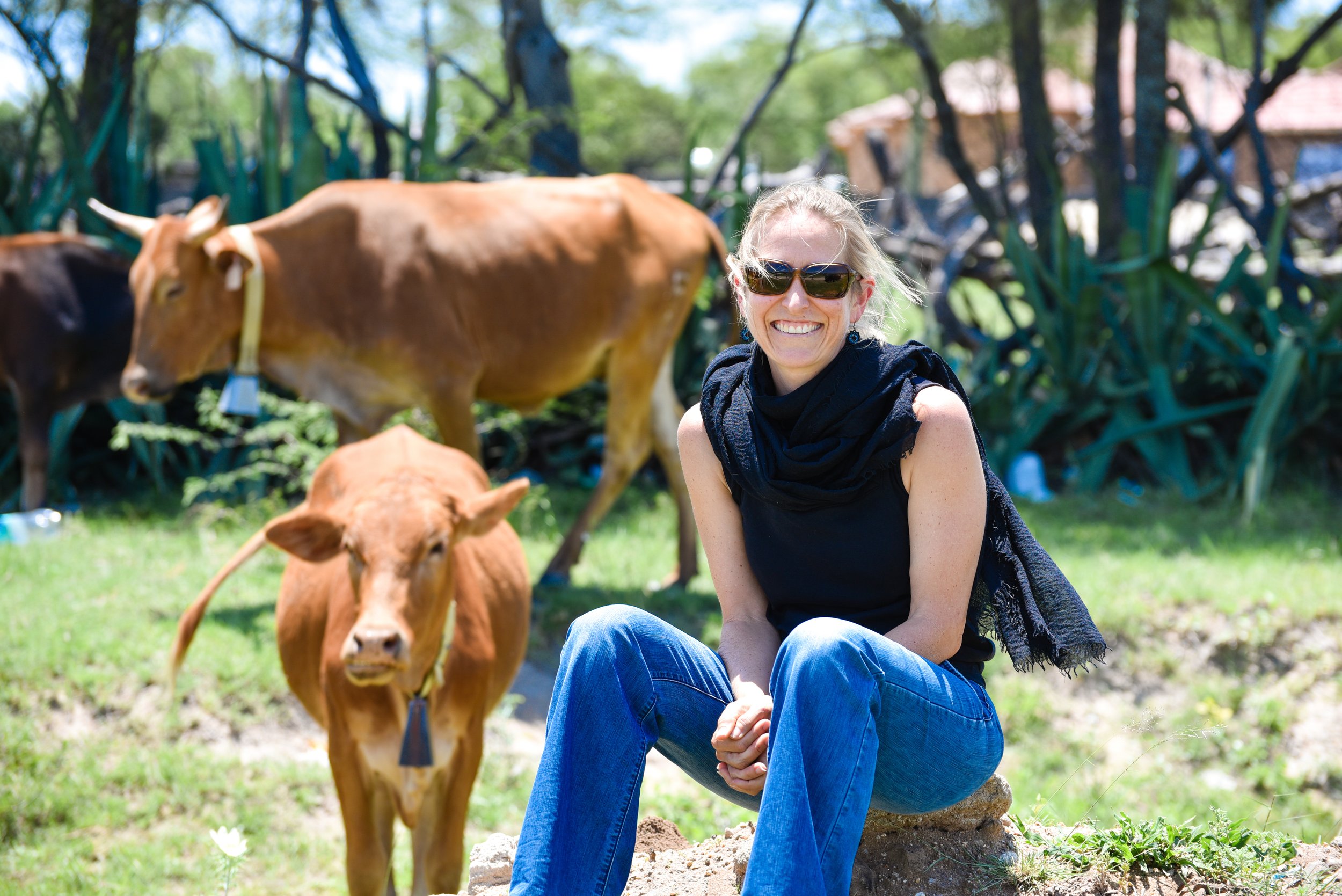
Conservationist and social entrepreneur Sarah Frazee believed there had to be a better way. In 2016, she founded Meat Naturally Africa, a social enterprise that helps communal farmers access formal markets while restoring the rangelands on which their livelihoods depend.
Ten years later, the organisation has channelled more than R134 million into rural communities, trained over 8 000 farmers and helped restore hundreds of thousands of hectares of grazing land across South Africa.
“I spent many years working in conservation and kept asking the same question,” says Caroline McCann, Sustainability and Business Development director at Meat Naturally Africa. “How do we make healthy ecosystems valuable to the people living on them? The answer was to reward good grazing practices with access to better markets.”
Through Meat Naturally Africa's model, farmers receive training in regenerative grazing, livestock management, herding and fire management and commit to practices that improve the health of the veld and the productivity of their livestock.
In return, the enterprise then helps bridge one of the biggest barriers facing communal farmers: market access. By rewarding good environmental management with mobile auctions, wool-shearing facilities and South Africa's first approved mobile abattoir, Meat Naturally enables farmers in remote areas to sell livestock into formal markets, often for the first time.
“What makes this approach different is that we recognise the economic value farmers already have,” says McCann. “With the right support and access to markets, communities can earn more from the livestock they already own while improving the land for future generations.”
The impact is visible in communities across the country.
Since 2020, the business has each year helped up to 200 farmers earn over R50,000 from the formal market — income that would otherwise have bypassed rural households entirely.
“What has impressed me most is seeing farmers run their own businesses and benefit from them,” says Landiwe Mbuli, deputy implementation manager for KwaZulu-Natal. “You see the confidence that comes when improved farming practices start translating into better prices and better incomes.”
A significant milestone in the organisation's growth came through the SAB Foundation Social Innovation and Disability Empowerment Awards.
At the time, Meat Naturally Africa was developing South Africa's first approved mobile abattoir, a critical piece of infrastructure needed to unlock formal market access for communal farmers.
“The SAB Foundation award couldn't have come at a better time,” says McCann. “The funding helped us secure approval for the mobile abattoir, expand into more villages and continue developing new opportunities for communities practising regenerative agriculture.”
Today, Meat Naturally Africa works with approximately 180 communities and farmer associations across South Africa. In 2026, the organisation became part of the world's first carbon credit issuance to achieve both the Climate, Community and Biodiversity label and Verra's VM42 methodology, creating new opportunities for rural communities to financially benefit from environmental restoration. This has enabled 15 communities to earn R2.7 million from carbon credit sales.
For Meat Naturally Africa, however, the vision extends far beyond South Africa.
“We have a clear goal of restoring one million hectares of rangeland in South Africa by 2028 and five million hectares across Africa by 2030,” McCann says. “We've demonstrated that healthy landscapes and thriving rural economies can go hand in hand. Now it's time to scale that impact.”
What began as a search for a better way to protect South Africa's natural resources has become a model that is helping rural communities build stronger businesses, healthier herds and more resilient landscapes.