
The growth conversation we're not having
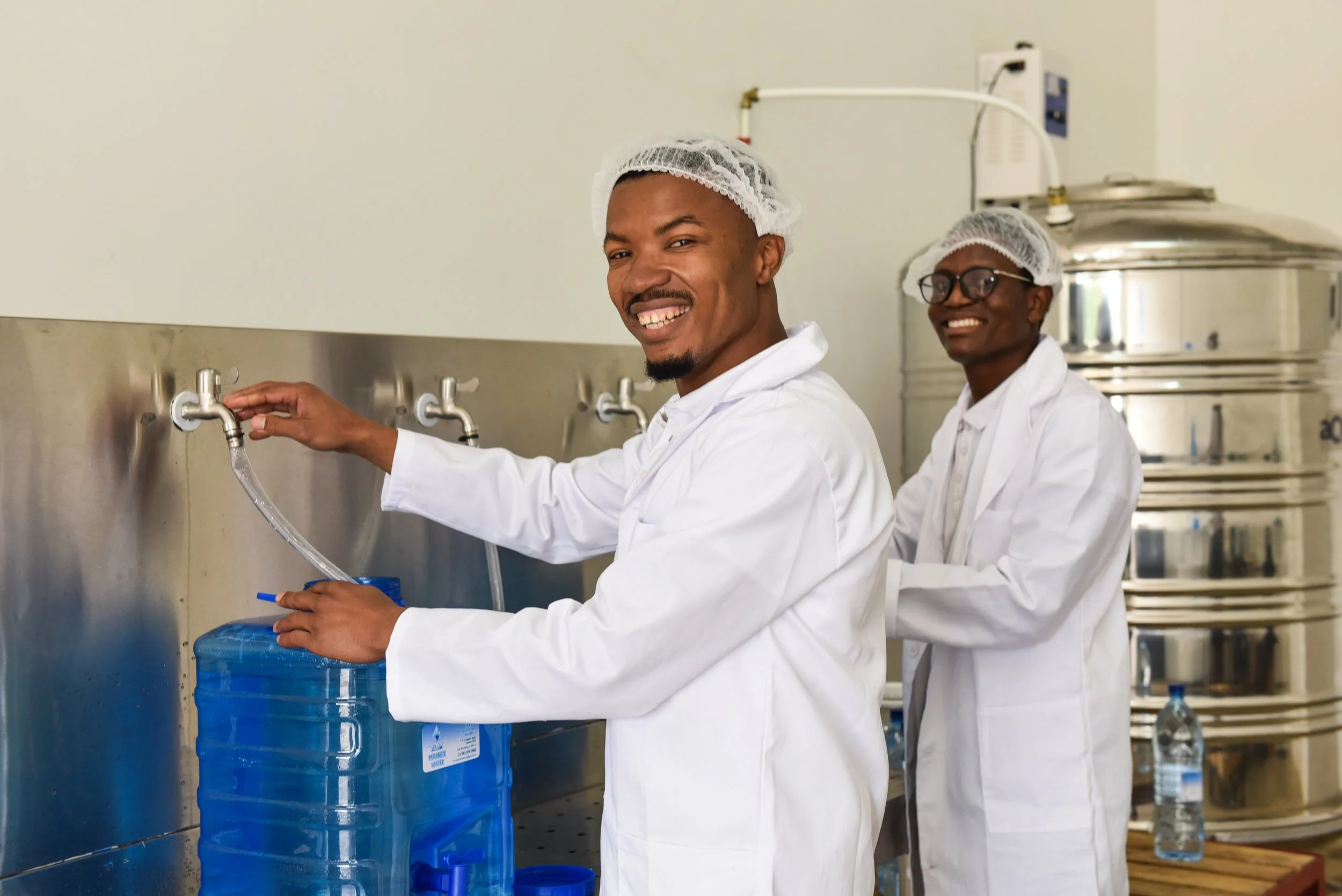
After years of supporting entrepreneurs, one reality has become increasingly difficult to ignore
We spend a great deal of time talking about how to help people start businesses. We spend far less time talking about what happens when those businesses begin to grow.
South Africa loves a growth story. We celebrate the entrepreneur who lands a major contract, opens a second branch, hires new employees or secures investment. Growth is often presented as the reward for years of hard work and perseverance. Yet one of the biggest misconceptions in entrepreneurship is that growth solves problems. More often, growth replaces old problems with new ones.
The challenge of finding customers becomes the challenge of meeting demand. The challenge of making sales becomes the challenge of managing cash flow. The challenge of building a business becomes the challenge of building a team, systems and processes that can sustain growth.
Growth changes the nature of a business. It also changes the nature of what entrepreneurs need to succeed.
One pattern emerges repeatedly across growth-stage businesses. The qualities that help an entrepreneur start a business are not always the same qualities required to grow one.
In the early stages, entrepreneurs are often rewarded for being resourceful, adaptable and willing to do whatever it takes to keep the business alive. They wear multiple hats, make decisions quickly and rely heavily on their own energy and determination.
Growth demands something different.
The founder who built a business by doing everything themselves eventually reaches a point where that approach becomes a limitation. The entrepreneur who relied on instinct must learn to trust systems, processes and data. The business that grew by saying yes to every opportunity must develop the discipline to know which opportunities to decline.
In many cases, growth requires entrepreneurs to abandon some of the assumptions that helped them get started. That transition is rarely discussed, yet it is one of the most important stages in the entrepreneurial journey. It is also where many businesses either accelerate or stall.
This matters because South Africa does not simply need more businesses. It needs more businesses that can grow sustainably, create jobs and contribute meaningfully to the economy.
The country has no shortage of entrepreneurial ambition. Across industries and communities, entrepreneurs continue to identify opportunities, solve problems and build businesses despite challenging economic conditions.
The question is whether we are doing enough to help those businesses navigate growth successfully.
For many entrepreneurs, growth is not limited by a lack of ambition or effort. It is limited by barriers that become more visible as businesses expand.
Market access remains one of the most significant challenges. Many entrepreneurs are able to prove demand for their products and services, build a customer base and demonstrate commercial viability, yet still struggle to access larger value chains and procurement opportunities.
Long payment cycles create additional pressure. Delayed payments can affect a business's ability to hire, invest and pursue new opportunities. For a growing business, timing often matters as much as funding.
These are not new challenges. But they become increasingly important as businesses move beyond survival and into growth.
This is why South Africa's entrepreneurship ecosystem must evolve alongside entrepreneurs themselves. The support required to start a business is not the same support required to grow one.
Growth-stage businesses need access to markets, partnerships, networks and opportunities. They need support that reflects the realities of expansion, job creation and long-term sustainability.
The encouraging news is that South Africa is home to a growing number of entrepreneurs who are making this transition successfully.
Businesses supported through the SAB Foundation's Social Innovation Fund generated more than R43 million in commercial revenue in 2025 while creating jobs and expanding their social and environmental impact.
What stands out is not simply the growth itself. It is the evolution behind it.
These businesses adapted. They refined their models, strengthened their operations, entered new markets and developed new capabilities. They became different businesses from the ones they started.
In many respects, the entrepreneurs evolved too. Perhaps that is the growth conversation we need to have more often. Not simply how to help more people start businesses, but how to help more entrepreneurs navigate the difficult transition from promising business to growing enterprise.
Because growth is not the finish line.
It is where the next set of challenges, opportunities and possibilities begins.